
Everyone’s day to day is different, and everyone has different expectations from their new life when they move to Spain. However, it is important to remember that daily life in Spain varies depending on factors such as region, urban or rural setting, socio-economic status, and personal lifestyle preferences. However, there are some common elements that contribute to the overall experience of daily life in Spain:
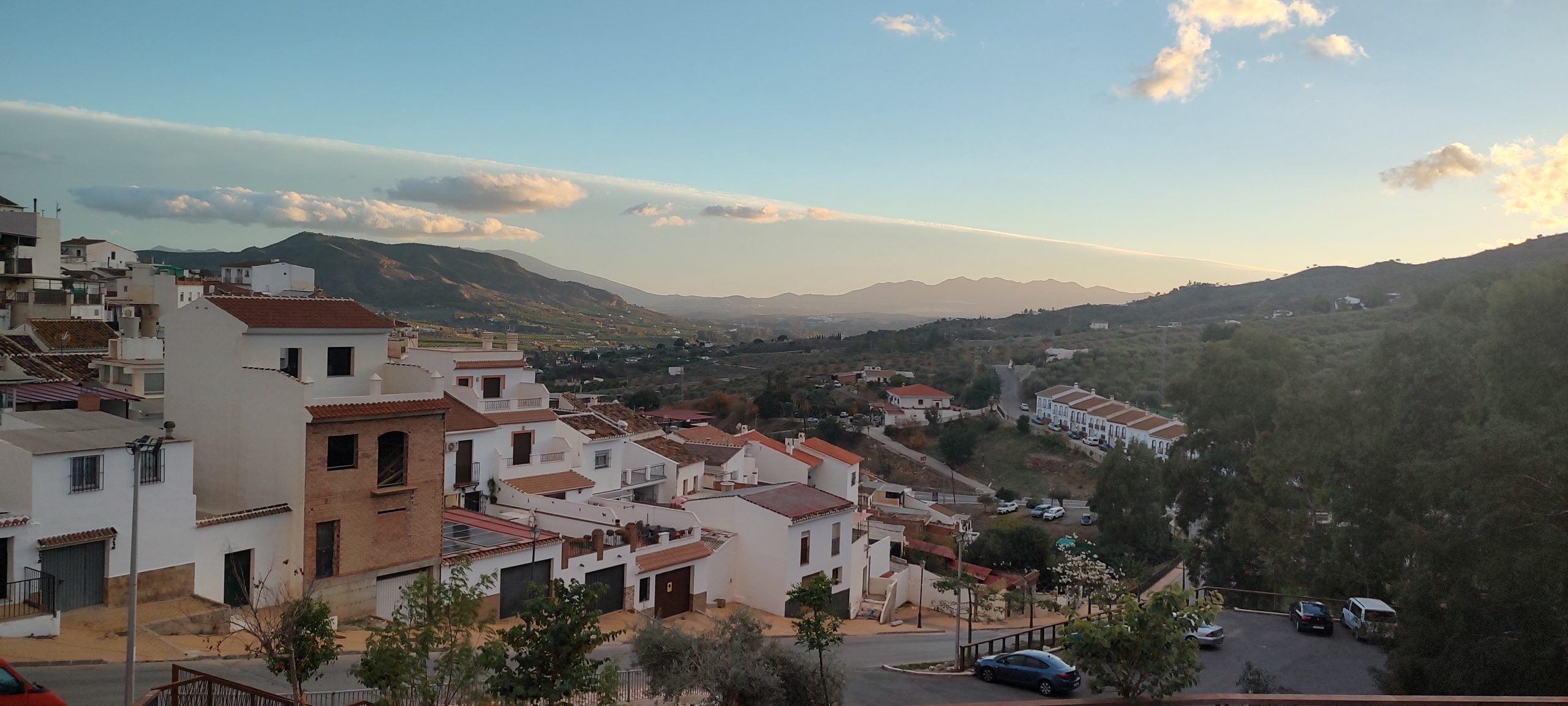
- Siesta Culture. I am a BIG believer in the power of the siesta. It saves you from the heat in the summer and even if you aren’t a big sleeper, it allows switch off time during the day. While the traditional midday siesta is less common in urban areas and among younger generations, its influence is still felt in many parts of Spain. Especially in Andalucia, businesses may close for a few hours in the afternoon, particularly in smaller towns and villages, allowing people to rest, eat, or spend time with family.
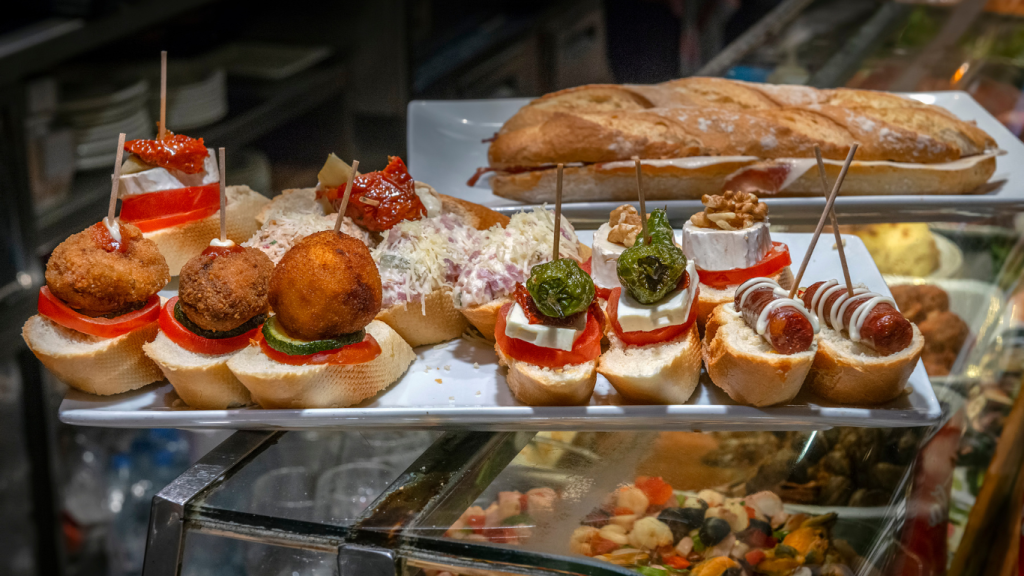
- Cuisine and Dining. Food plays a central role in Spanish culture, with meals often being social occasions to be enjoyed with friends and family. Spaniards typically have a light breakfast, a substantial lunch (often the largest meal of the day) eaten mid-late afternoon, and a lighter dinner eaten later in the evening. Eating out is regular and not just for special occasions.
- Socialising. Spaniards are known for their sociable nature, and socialising is an important part of daily life. Whether it’s meeting friends for coffee, enjoying tapas with colleagues after work, or attending cultural events and festivals, there are plenty of opportunities for social interaction. Children also have a health social life and will go out on play dates almost daily accompanied by their parents. In fact, most playgrounds have a bar which can be shocking initially when people move. The other shock that people regularly get is that there is no babysitting culture in Spain. The Spanish in general are of the opinion that if you have children you should have them with you. They take them out to dinner, to weddings, to birthdays, everywhere we might only expect to find adults, you will find a group of kids!
- Work and Business Hours. The typical workday in Spain often starts later than in some other countries, with many businesses opening around 9 or 10 am. Lunch breaks tend to be longer, with workers often taking a break of 1-2 hours to enjoy a leisurely meal. The workday may extend into the evening, particularly in urban areas, but there is also a focus on achieving work-life balance.
- Festivals and Celebrations. Spain is known for its vibrant festivals and celebrations, which often reflect the country’s rich cultural and religious heritage. From local fiestas to nationally recognized events like Semana Santa (Holy Week)there are numerous opportunities throughout the year to participate in festivities and experience Spanish traditions.
Overall, daily life in Spain is characterized by a relaxed pace, a strong emphasis on family and social connections, and a rich cultural tapestry that reflects the country’s diverse history and traditions. If moving to Spain to better your day to day life is something you are curious about feel free to book a call so we can see if the Spanish life is for you.